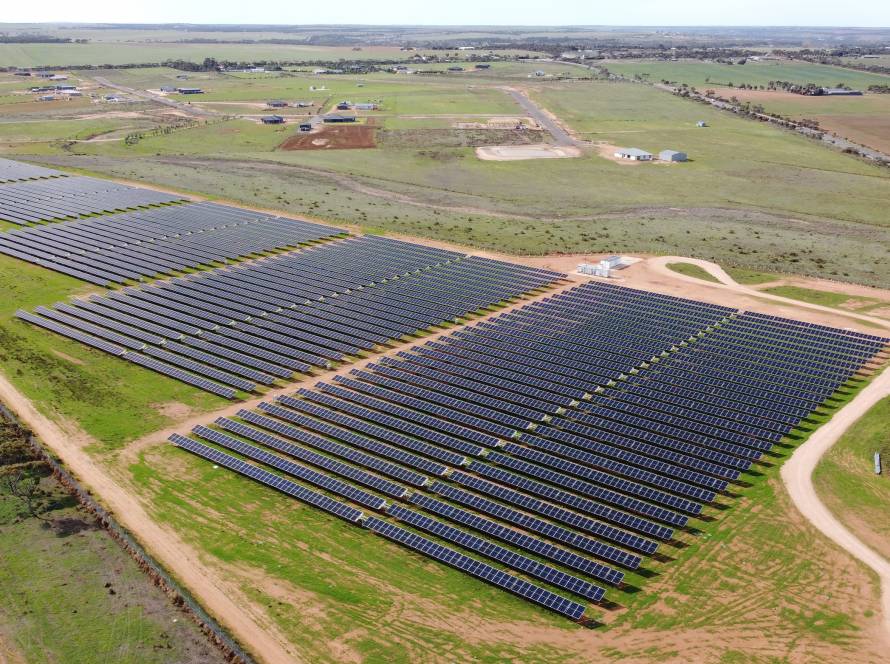
For Australian businesses considering commercial solar and battery storage, a recent change to federal incentives could help reduce the upfront investment.
From 1 October 2026, eligible solar systems above 100 kW and up to 1 MW can receive support through the Small-scale Renewable Energy Scheme (SRES). This expands access to upfront solar incentives for businesses with larger energy requirements, including warehouses, manufacturers and agricultural facilities.
What has changed for commercial solar?
The expanded scheme allows eligible mid-scale solar installations to create Small-scale Technology Certificates (STCs) using a fixed five-year deeming period. Businesses typically assign these certificates to an installer or registered agent in exchange for an installation discount.
The 1 MW limit considers related systems and existing solar capacity, so an expansion needs to be assessed against the site’s total relevant capacity. STC applications for mid-scale installations are expected to open in mid-to-late November 2026. Read the Clean Energy Regulator’s mid-scale solar guidance.
How much could a solar and battery system save upfront?
There is no fixed STC rebate percentage. The incentive depends on certificate entitlement and value, while the percentage saving depends on the quoted installation cost.
The following examples show how this works across different project sizes. Project costs are hypothetical calculation inputs, not GGE quotes or market-price estimates.
| Solar + battery system | Assumed cost before incentives | Solar STC benefit | Battery STC benefit | Total STC benefit | Reduction in total upfront cost |
|---|---|---|---|---|---|
| 50 kW + 20 kWh | $80,000 | $13,282.50 | $4,581.50 | $17,864.00 | 22.3% |
| 250 kW + 50 kWh | $300,000 | $66,489.50 | Not included* | $66,489.50 | 22.2% |
| 500 kW + 500 kWh | $750,000 | $133,017.50 | Not eligible | $133,017.50 | 17.7% |
| 1 MW + 1 MWh | $1,500,000 | $266,035.00 | Not eligible | $266,035.00 | 17.7% |
* Battery STC support is not included for the 250 kW solar + 50 kWh battery example. Eligibility requires confirmation with CER because official guidance on batteries paired with solar above 100 kW is inconsistent. Its total benefit and cost reduction include solar STCs only.
Example assumptions: new eligible installations in October-December 2026; solar postcode Zone 3, rated at 1.382; five-year solar deeming; assumed net certificate proceeds of $38.50 per STC; certificate entitlements rounded down to whole STCs. Dollar benefits are shown to the cent; percentages are rounded to one decimal place. Battery sizes are usable capacities, with the 20 kWh and 50 kWh examples assumed to meet the 5-100 kWh nominal-capacity limit. All amounts exclude GST. State incentives and ongoing electricity savings are excluded. The 50 kW example uses existing small-scale solar eligibility; the larger solar examples use the new expansion.
Solar calculations use the CER postcode ratings. Battery calculations use the May-December 2026 STC factor of 6.8 and capacity tapering. The assumed $38.50 is an example value, rather than a current market quotation; certificate prices and payment arrangements vary.
Does the rebate cover commercial batteries too?
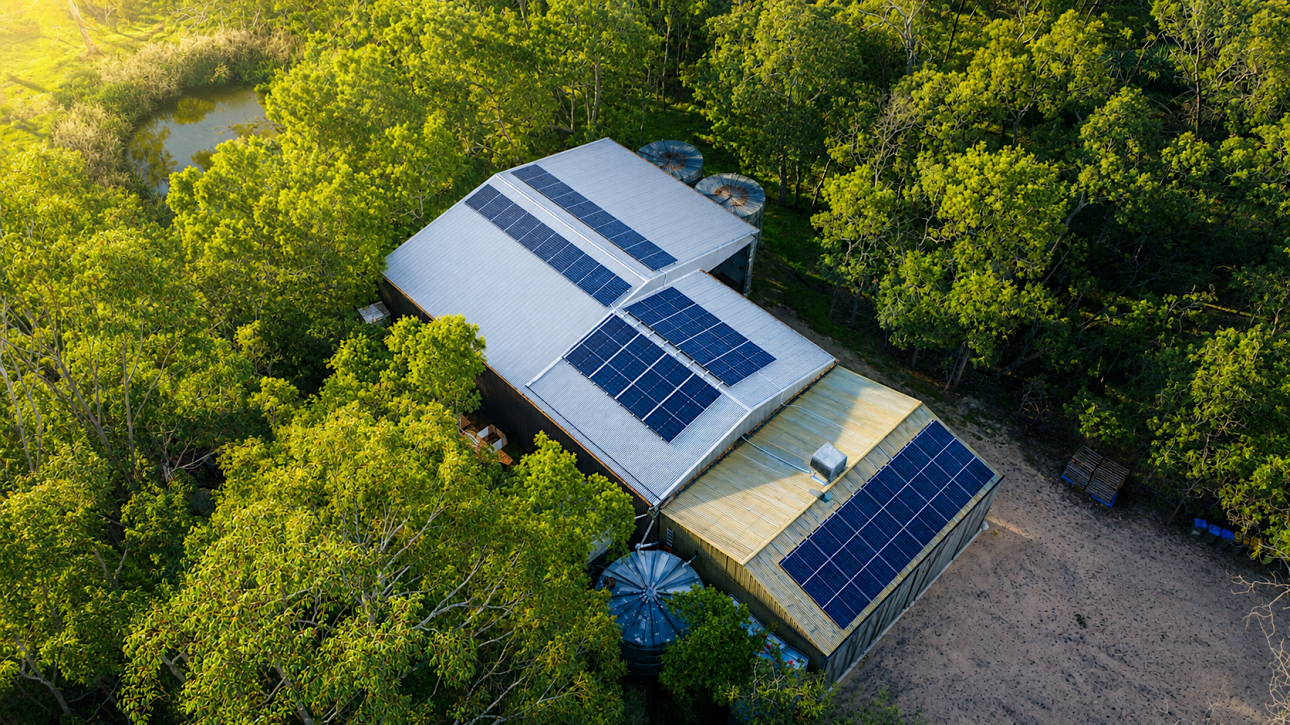
Eligible small batteries can receive separate STC support through the Cheaper Home Batteries Program. DCCEEW guidance includes batteries paired with mid-scale solar, but CER’s general battery guidance still specifies solar systems of no more than 100 kW. Confirm eligibility with CER before including battery support in a project quote for solar above 100 kW. See DCCEEW scheme guidance and CER battery requirements.
Battery systems must meet the 5-100 kWh nominal-capacity requirement. Support applies to the first 50 kWh of usable capacity and tapers above 14 kWh and again above 28 kWh. Larger commercial batteries do not qualify for this federal battery incentive, although state support may be available. CER battery requirements.
Look beyond the installation discount
A well-designed system should match your operating hours, electricity consumption and tariff. Solar can reduce daytime grid purchases, while batteries can shift energy use and reduce peak demand charges where applicable. Ongoing monitoring helps track performance and identify opportunities to improve operation. Australian Government business solar guidance.
The right solution starts with your business’s energy needs and long-term objectives, with available incentives assessed as part of the investment decision.
Leave the details to GGE
Finding the rebate rules confusing? You don’t have to know it all. Green Gold Energy (GGE) is here to help you navigate the requirements and understand which incentives apply to your business.
We deliver solar and battery systems for commercial and industrial businesses, from design and in-house engineering to installation, operation and maintenance. Our own energy management system helps monitor and optimise system performance to maximise your returns.
One contract. We take care of it all.
Talk to GGE about your commercial solar and battery system, or email info@greengoldenergy.com.au.
Information current as of 19 October 2026. Actual eligibility, certificate proceeds and project savings require an individual assessment.